Breastfeeding diet: what to eat, what to limit, what to ignore
Lists of "17 foods to avoid" make breastfeeding sound like a diet. The official list is much shorter, and kinder.
Updated October 18, 2026 · sources checked October 13, 2026 · Editorial: The Mamavela team
In short
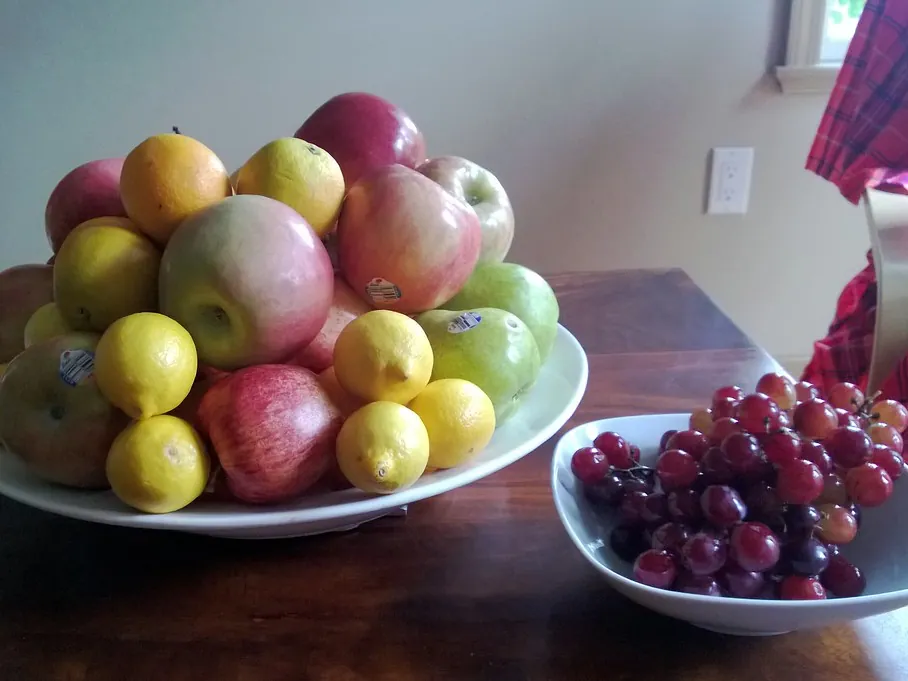
You do not need a special diet to breastfeed, say the NHS and CDC: eat a varied, healthy diet and drink to thirst. Only a few things need limits: high-mercury fish (such as shark, swordfish and king mackerel), alcohol, and caffeine (about 2 to 3 cups of coffee a day is considered low to moderate). Spicy food, garlic, dairy and peanuts do not need to be avoided routinely.
The short, official list
| Limit or avoid | What the advice says | Source |
|---|---|---|
| High-mercury fish | Avoid king mackerel, marlin, orange roughy, shark, swordfish, tilefish (Gulf of Mexico) and bigeye tuna | FDA |
| Oily fish | Eat fish, but no more than 2 portions of oily fish a week, and no more than 1 portion a week of shark, swordfish or marlin | NHS |
| Alcohol | Not drinking is safest; an occasional drink is unlikely to harm your baby if you wait at least 2 hours before feeding | NHS |
| Caffeine | About 2 to 3 cups of coffee a day is considered low to moderate; less with a premature or very young newborn | CDC, NHS |
| Restrictive diets (vegan, vegetarian) | Fine, with attention to vitamin B12 and other nutrients; talk to your doctor about supplements | CDC, NHS |
That is it. The CDC states that mothers generally do not need to avoid specific foods, and the NHS says you do not need to follow a special diet while breastfeeding.
Myths you can drop
| You may have heard | What official sources say |
|---|---|
| "Avoid spicy food, garlic and onions" | No official advice to avoid them. A systematic review found moderate evidence that flavours such as garlic, carrot, mint and anise pass into milk and that babies can detect them within hours; that is a normal part of tasting your food, not a reason to cut it (Spahn et al., AJCN 2019) |
| "Avoid peanuts to prevent allergy" | The NHS says you can eat peanuts as part of a balanced diet, unless you are allergic yourself |
| "Cut out dairy just in case" | No routine advice to do so; if you suspect a cow's milk allergy in your baby, see your GP or pediatrician first |
| "Pump and dump after a drink" | The NHS says you do not need to express to clear alcohol; it falls as your blood level falls |
| "Drink lots of milk to make milk" | Not in official advice; drink to thirst and keep water beside you when you feed (NHS) |
| "Your milk is poor if your diet is not perfect" | Research linking diet to milk composition is limited; the clearest links are between fish and DHA, and vitamin C intake and milk vitamin C (Bravi et al., AJCN 2016) |
What to eat (NHS)
- At least 5 portions of fruit and vegetables a day, fresh, frozen, tinned or dried.
- Starchy foods, wholegrain where you can: bread, rice, pasta, potatoes.
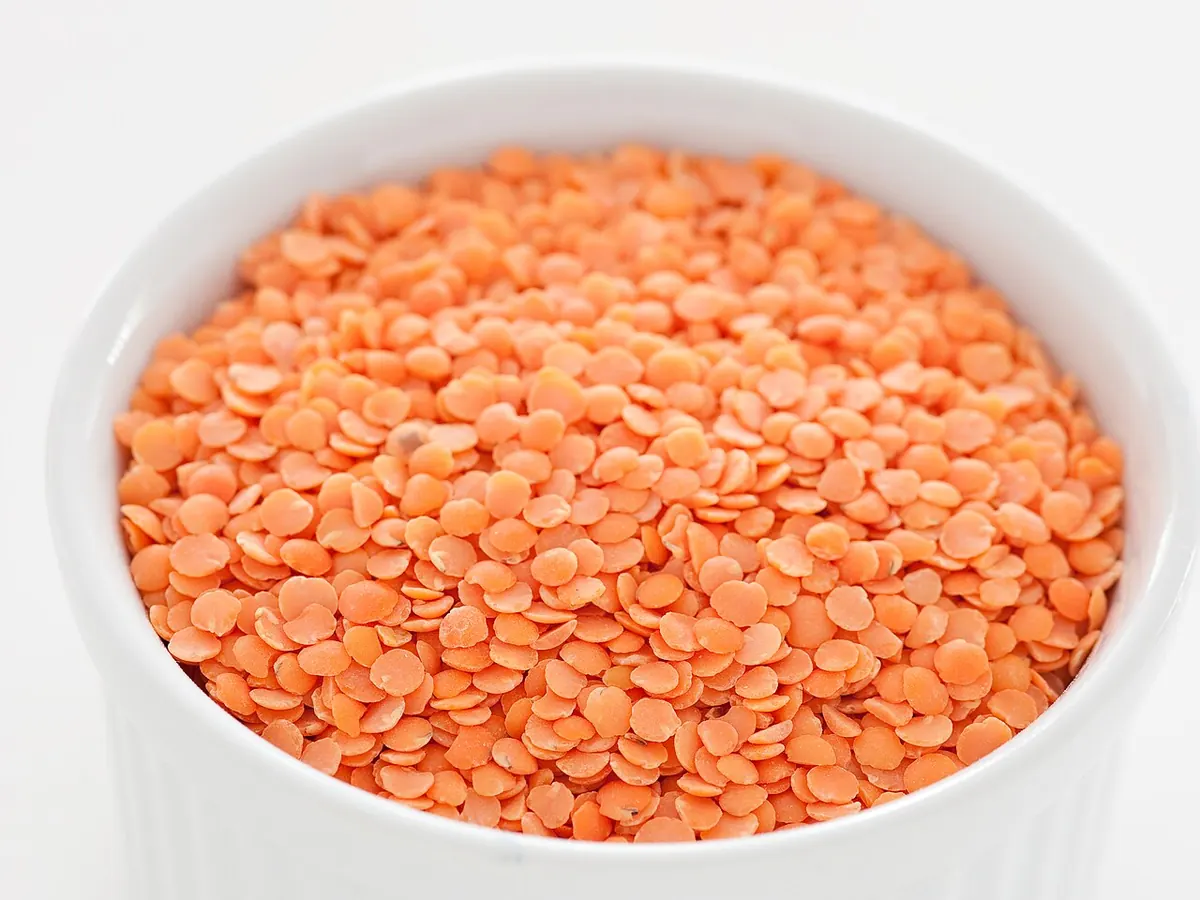
- Plenty of fibre, which helps with constipation after birth: wholemeal bread, beans and lentils, fruit and vegetables.
- Protein: beans, pulses, fish, eggs, lean meat.
- Dairy or fortified alternatives for calcium.
- At least 2 portions of fish a week, one of them oily (mackerel, sardines, trout, salmon).
- Plenty of fluids: water, lower-fat milk or diluted fruit juice.
The CDC adds that well-nourished breastfeeding mothers need a little more energy than before pregnancy; listen to your appetite rather than counting.
Vitamins and supplements
- Vitamin D: the NHS advises everyone, including breastfeeding women, to consider a daily vitamin D supplement in autumn and winter; some people need one all year. Ask your pharmacist which product suits you.
- Vegan or vegetarian diet: the CDC warns that babies of mothers who eat no animal products can get very little vitamin B12, which matters for the nervous system. Speak to your doctor or dietitian about a supplement.
- Herbal "milk boosters": evidence is very uncertain; see our low milk supply guide before buying any.
- UK: you may be eligible for free vitamins and help buying food through the Healthy Start scheme (NHS).
One-handed snacks for long feeds (NHS ideas)
Alcohol and caffeine, in practice
- A planned drink: the NHS suggests waiting 2 to 3 hours per drink before breastfeeding, or expressing beforehand so a bottle is ready. Make sure breastfeeding is established first.
- Never share a bed or sofa with your baby if you have drunk any alcohol (NHS).
- Caffeine is not only coffee: tea, chocolate, cola, energy drinks and some cold remedies contain it (NHS). If your baby seems unusually wakeful or restless, try cutting down. Pregnancy limits are explained in our caffeine and alcohol guide.
When to talk to someone
For the partner
For the partner: the most useful thing is food that someone else cooked. Fill the fridge with ready-to-eat options and keep water at every feeding spot. More on looking after the person who just gave birth in our postpartum recovery guide.
If long, unsettled evenings are what worry you, our colic guide explains what is known, and breastfeeding basics covers latch and rhythm.
Questions parents ask
What foods should I avoid while breastfeeding?
Very few. The CDC says mothers generally do not need to avoid specific foods. The FDA lists high-mercury fish to avoid (king mackerel, marlin, orange roughy, shark, swordfish, Gulf of Mexico tilefish, bigeye tuna), and the NHS advises limiting caffeine and alcohol. If your baby seems to react to a food, talk to your GP or pediatrician before cutting it out.
Can I drink coffee while breastfeeding?
Yes, in moderation. The CDC considers about 2 to 3 cups of coffee a day low to moderate and usually not harmful to babies; mothers of premature or very young newborns may want less. The NHS suggests cutting down, especially before 6 months, as a lot of caffeine can make a baby restless.
Can I have a glass of wine while breastfeeding?
The NHS says not drinking is safest, but an occasional drink is unlikely to harm your baby, especially if you wait at least 2 hours before feeding. You do not need to pump and dump: alcohol leaves milk as it leaves your blood. Never share a bed or sofa with your baby after drinking.
Do gassy foods like broccoli or beans give my baby colic?
There is no official advice to avoid them. The NHS says you do not need a special diet, and the CDC says mothers generally do not need to avoid specific foods. If you notice a clear pattern with one food, discuss it with your health visitor or pediatrician rather than cutting whole food groups.
Sources
- NHS — Breastfeeding and diet checked October 13, 2026
- NHS — Breastfeeding and drinking alcohol checked October 13, 2026
- CDC — Maternal diet and breastfeeding checked October 13, 2026
- FDA — Advice about eating fish (pregnancy, breastfeeding and children) checked October 13, 2026
- NHS — Bronchiolitis (when to call 999 for a baby) checked October 13, 2026
- Bravi F et al. (2016), American Journal of Clinical Nutrition — Impact of maternal nutrition on breast-milk composition, a systematic review (PMID 27534637) checked October 13, 2026
- Spahn JM et al. (2019), American Journal of Clinical Nutrition — Influence of maternal diet on flavor transfer to amniotic fluid and breast milk and children's responses, a systematic review (PMID 30982867) checked October 13, 2026
Mamavela explains; it does not replace your midwife, doctor or pediatrician, who know your situation. If something worries you, call them. In an emergency, call 911 (US), 999 (UK) or 112.