Low milk supply: what is normal, what helps, and what the evidence says
Worrying about milk is one of the most common feelings in early breastfeeding. Often the supply is fine; when it is not, there is a lot you can do.
Updated October 19, 2026 · sources checked October 13, 2026 · Editorial: The Mamavela team
In short
Most mothers make enough milk; soft breasts, frequent feeds and a fussy evening are not signs of low supply. Nappies and weight gain are the real test. To increase supply, the NHS advises getting the latch checked, feeding as often as your baby wants, offering both breasts and expressing after feeds. Evidence for herbal supplements is very uncertain; ask your doctor before taking any.
First: is your supply actually low?
The NHS says nearly all women produce enough milk for their baby. Many signs that worry mothers are normal:
| Feels worrying | Usually normal because |
|---|---|
| Breasts feel soft, no longer full | Supply settles to your baby's needs, often around 6 weeks to 2 months (Office on Women's Health) |
| Baby wants to feed every hour some evenings | Cluster feeding and growth spurts, often around 2 to 3 weeks, 6 weeks and 3 months |
| You pump only a little | Volumes vary with the time of day and between breasts (Kent 2006); pump output is not a measure of what your baby takes |
| Baby feeds more often than a friend's | Babies vary: in one study, exclusively breastfed babies fed 6 to 18 times a day (Kent et al., Pediatrics 2006) |
What really tells you, according to the NHS:
- at least 6 heavy wet nappies every 24 hours from day 5;
- from day 4, at least 2 soft yellow poos a day in the first weeks;
- steady weight gain after the first 3 to 4 days;
- rhythmic sucking and swallowing, and a baby content after most feeds.
Our baby feeding chart puts these signs on one page.
What can lower supply
The NHS lists the common causes, most of which can be sorted out with skilled help:
- poor positioning and attachment;
- not feeding often enough, or not offering the breast when your baby shows hunger cues;
- formula or a dummy before breastfeeding is established;
- nipple shields (though better than stopping if nipples are damaged);
- time apart after the birth, for example with a premature baby;
- illness in you or your baby, or a tongue-tie;
- previous breast surgery;
- alcohol and smoking;
- some medicines;
- anxiety, stress or depression.
The Office on Women's Health adds that if these steps do not help, your doctor can check for hormonal causes or insufficient glandular tissue.
What increases supply (NHS)
- Get a feed watched by your midwife, health visitor or a breastfeeding specialist. A deeper latch removes more milk. Our breastfeeding positions guide helps you try different holds.
- Feed as often and as long as your baby wants, including at night: more prolactin is made at night.
- Offer both breasts at each feed, and alternate which one you start with.
- Express after feeds once breastfeeding is established. If you are rebuilding supply, the NHS suggests expressing about 8 times a day, including once at night.
- Skin to skin: keeping your baby close helps you spot early hunger cues.
- Go slowly with bottles and dummies in the early weeks if exclusive breastfeeding is your goal.
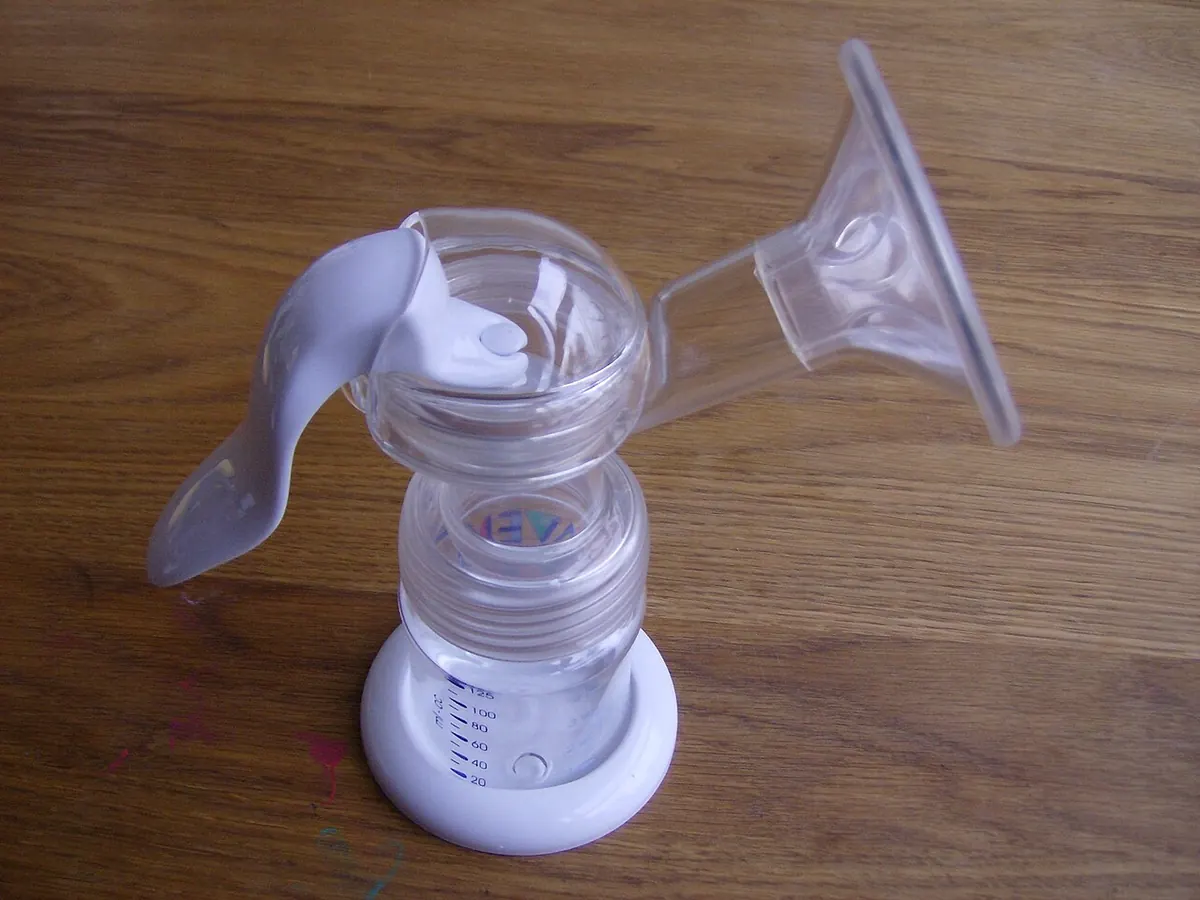
If you pump, a double electric pump saves time; see our breast pump guide.

Supplements, teas and "milk-boosting" foods: the honest evidence
Galactagogues are substances meant to increase milk. A Cochrane review pooled 41 trials with about 3,000 mothers of healthy term babies (Foong et al., Cochrane 2020):
| Type | What the review found |
|---|---|
| Prescription medicines | Low-certainty evidence they may increase milk volume; side effects poorly reported |
| Natural galactagogues (fenugreek, moringa, fennel, ginger, palm dates, mixed teas…) | Very low-certainty evidence; trials too different to combine; some subgroups suggested benefit, others no difference |
| One galactagogue versus another | Not enough data to say which is better |
The authors were uncertain whether any of them helps mothers keep breastfeeding. On fenugreek specifically, NCCIH (part of the US National Institutes of Health) says studies have mixed results, little is known about its safety in amounts above food while breastfeeding, it is not safe in pregnancy above food amounts, and it can cause digestive upset, allergic reactions and, in large amounts, low blood sugar. Supplements are not approved by the FDA before sale.
Good to know
Before buying any supplement or tea, ask your pharmacist or doctor, especially if you take other medicines or have diabetes (NCCIH notes large amounts of fenugreek may lower blood sugar). Prescription options exist in some countries; only a doctor can decide whether one is right for you.
If your baby needs extra milk
Feeding your baby comes first. If your midwife or pediatrician advises top-ups, they can be expressed milk or formula. The Office on Women's Health suggests a spoon, cup or dropper with pumped milk if you want to avoid bottles early on. If you use bottles, see our baby bottles guide; for formula, how to prepare it safely. Combination feeding is a valid choice, not a failure.
When to call
Supply worries take a toll on your mood. If you feel low or anxious most days for more than two weeks, read about postpartum depression and where to get help.
For the partner
Partners can protect supply too: take care of everything except the feed, bring the baby for night feeds, and ask for help early with the person who watches the latch.
Questions parents ask
Do lactation supplements or teas increase milk supply?
A Cochrane review of 41 trials found very low-certainty evidence for natural galactagogues such as fenugreek, moringa or mixed teas, and low-certainty evidence that some prescription medicines may increase milk volume. NCCIH says fenugreek's effect on milk is uncertain and it is not safe in pregnancy above food amounts. Talk to your doctor or pharmacist before taking anything.
My breasts feel soft now. Has my milk dried up?
Probably not. The Office on Women's Health notes that breasts often stop feeling full around 6 weeks to 2 months as supply settles to your baby's needs. Wet nappies and steady weight gain are better signs than how your breasts feel.
Does pumping only a little mean I have low supply?
Not necessarily. Pump output depends on fit, suction and timing, and research shows milk volume varies with the time of day and between the left and right breast. Nappies and weight gain are a better measure of what your baby gets.
Will giving formula lower my supply?
It can. The NHS says that in the early weeks, formula top-ups or a dummy can lower supply, and introducing bottle feeds reduces the amount of breast milk you make. If top-ups are medically needed, ask your midwife how to protect your supply at the same time, for example by expressing.
Sources
- NHS — Breastfeeding, is my baby getting enough milk? checked October 13, 2026
- NHS — Breastfeeding, the first few days (night feeds, prolactin, top-ups) checked October 13, 2026
- NHS — How to combine breast and bottle feeding (expressing about 8 times a day) checked October 13, 2026
- Office on Women's Health (HHS) — Common breastfeeding challenges (low milk supply) checked October 13, 2026
- NCCIH (NIH) — Fenugreek, usefulness and safety checked October 13, 2026
- NHS — Bronchiolitis (when to call 999 for a baby) checked October 13, 2026
- Foong SC et al. (2020), Cochrane Database of Systematic Reviews — Oral galactagogues (natural therapies or drugs) for increasing breast milk production in mothers of non-hospitalised term infants (PMID 32421208) checked October 13, 2026
- Kent JC et al. (2006), Pediatrics — Volume and frequency of breastfeedings and fat content of breast milk throughout the day (PMID 16510619) checked October 13, 2026
Mamavela explains; it does not replace your midwife, doctor or pediatrician, who know your situation. If something worries you, call them. In an emergency, call 911 (US), 999 (UK) or 112.