What to eat when pregnant: a simple food chart
You do not need a special diet or to eat for two. A balanced plate, a few key nutrients and the right supplement cover most of it.
Updated November 1, 2026 · sources checked October 13, 2026 · Editorial: The Mamavela team
In short
Eat a varied diet from the five food groups: plenty of fruit and vegetables, wholegrain starchy foods, protein every day (beans, eggs, fish, lean meat), and dairy or calcium-fortified alternatives. You do not need to eat for two. Take a folic acid supplement from before conception until 12 weeks, and ask about vitamin D and iron. Pair it with the list of foods to avoid.
Your plate, every day
The NHS uses the Eatwell Guide and ACOG the five food groups; both come down to the same plate. You do not need the right balance at every meal: the NHS says to aim for it over a week.
| Food group | How much | Good choices |
|---|---|---|
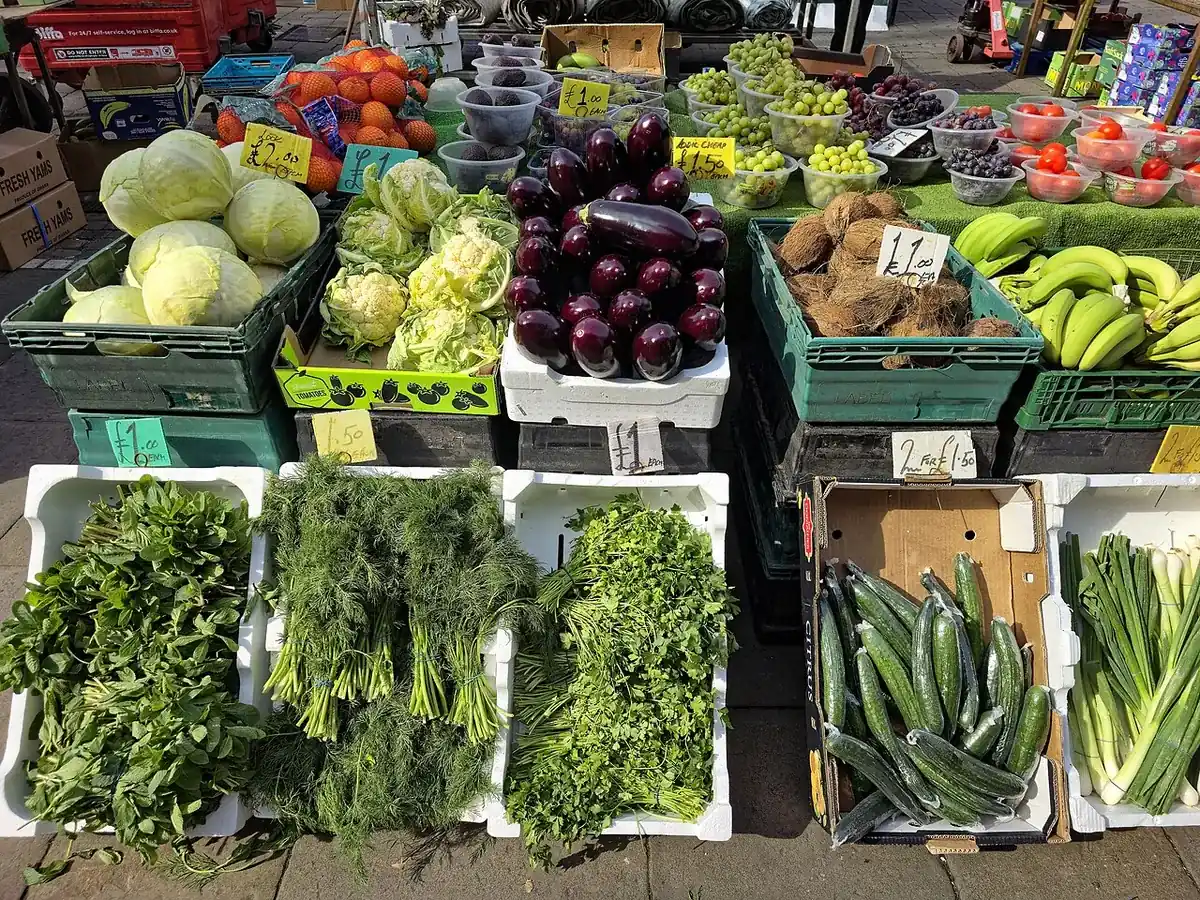
| Fruit and vegetables | At least 5 portions a day (NHS) | Fresh, frozen, canned, dried or juiced; wash fresh ones well |
| Starchy foods | Just over a third of what you eat (NHS) | Wholegrain bread, brown rice, wholewheat pasta, oats, potatoes with skins, millet, yams |
| Protein | Some every day (NHS) | Beans, pulses, eggs, fish, lean meat, poultry, nuts |
| Fish | 2 portions a week, 1 of them oily (NHS) | Salmon, sardines, mackerel; no more than 2 oily portions a week |
| Dairy or alternatives | Daily | Milk, cheese, yogurt; unsweetened, calcium-fortified plant drinks |
| Foods high in fat or sugar | Less often, in small amounts | Cakes, biscuits, crisps, sweets, sugary drinks |
The rules on which cheeses, meats, fish and eggs to skip or cook through are in our foods to avoid guide, and caffeine limits in the caffeine and alcohol guide.
Pregnancy food chart, month by month
This chart is built from NHS and ACOG advice. It is not a meal plan: your appetite, culture, budget and health come first.
| Months | Focus | Foods that help | Common hurdle |
|---|---|---|---|
| 1 to 3 (weeks 1 to 13) | Folic acid, gentle eating | Folic acid supplement; leafy greens, beans, fortified cereals and bread; plain snacks such as toast, crackers, a small bowl of cereal with milk | Nausea: see morning sickness |
| 4 to 6 (weeks 14 to 27) | Iron, calcium, protein | Beans, lentils, lean meat, eggs, fortified cereals, with vitamin C foods such as oranges, strawberries, broccoli and peppers to help absorb iron; dairy or fortified alternatives | Iron levels are checked around 28 weeks (NHS) |
| 7 to 9 (weeks 28 to 40) | Fibre, smaller meals | Wholegrains, fruit and vegetables, which the NHS says provide fibre that helps digestion and can help prevent constipation; smaller meals more often | Heartburn: see heartburn |
Not sure which month you are in? Our weeks to months chart converts it.
Key nutrients and where to find them
| Nutrient | Why it matters (ACOG) | Food sources (ACOG, NHS) |
|---|---|---|
| Folic acid / folate | Helps prevent neural tube defects of the brain and spine | Leafy greens, beans, peanuts, fortified cereals, enriched bread and pasta, orange juice, plus a supplement |
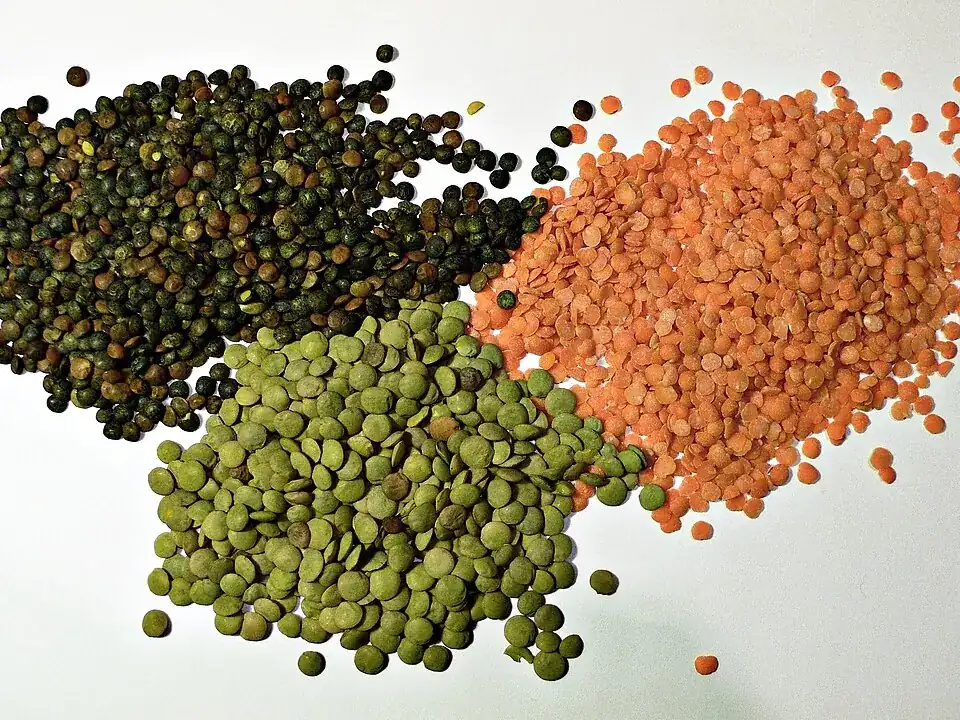
| Iron | Makes the extra blood you and your baby need | Beans, lentils, enriched cereals, beef, turkey, shrimp |
| Calcium | Builds your baby's bones and teeth | Milk, cheese, yogurt, sardines with bones, broccoli, almonds, sesame seeds, fortified foods |
| Vitamin D | Works with calcium for bones and teeth | Oily fish, egg yolks, fortified milk and cereals; a supplement is advised in the UK in autumn and winter |
| Iodine | Brain development | Iodised salt, dairy, seafood, eggs |
| Choline | Brain and spinal cord development; not in most prenatal vitamins | Eggs, milk, chicken, beef, soy, peanuts |
| Vitamin B12 | Nervous system and red blood cells | Meat, fish, poultry, milk; vegetarians should take a supplement |
| Omega-3 fats | Part of a balanced pregnancy diet | Oily fish within the weekly limit |
Liver is rich in some of these nutrients, but the NHS advises avoiding liver and liver products in pregnancy because of their high vitamin A content.
Supplements: what to ask about
- Folic acid: the NHS recommends a daily supplement from ideally 3 months before conception until 12 weeks of pregnancy; some people are prescribed a higher dose (for example with diabetes, epilepsy medicine or a previous neural tube defect). A Cochrane review of 5 trials with 7,391 women concluded that folic acid, alone or with other vitamins, prevents neural tube defects.
- Vitamin D: advised by the NHS every day from October to March, and all year if you get little sun or have darker skin.
- Iron: checked at your booking appointment and around 28 weeks (NHS); take it only if your team recommends it.
- Prenatal vitamin: ACOG suggests a daily prenatal vitamin and notes that gummy versions cannot hold as much iron, so you may need extra.
- Avoid: vitamin A (retinol) and cod liver oil supplements (NHS).
Your midwife, OB-GYN or pharmacist will tell you the amounts that suit you. We do not give doses here.
Snack ideas from the NHS
- Small sandwiches or pitta with grated cheese, lean ham, mashed tuna, salmon or sardines, with salad
- Carrot, celery or cucumber sticks
- Plain or lower-sugar yogurt with fruit
- Dried apricots, figs or prunes
- Vegetable and bean soup
- Porridge or unsweetened cereal with milk
- Baked beans on toast, or a small baked potato
Printable shopping list
In the UK, the Healthy Start scheme may help pay for milk, fruit and vegetables if you are pregnant and receive certain benefits or are under 18 (NHS).
Is it normal?
Is this normal? Going off foods you used to love, craving others, or living on toast for a few weeks in the first trimester is very common. The balance can come back once sickness eases. If you are living with gestational diabetes, follow your team's plan over any general chart.
For your partner
Do the shopping with the list above, cook the protein, and keep healthy snacks within reach. Eating the same meals makes it easier for everyone.
Questions parents ask
Do I need to eat more when pregnant?
Not much. The NHS says you do not need to "eat for 2", even with twins or triplets, and ACOG says to aim to eat "twice as healthy", not twice as much. You may feel hungrier: choose filling, nourishing snacks.
What should I eat in the first 3 months?
Focus on folic acid (a daily supplement plus leafy greens, beans and fortified cereals), and on whatever you can keep down if you feel sick. Small, plain, frequent snacks are fine; the balance can come back later.
I am vegetarian or vegan. Is that OK in pregnancy?
Yes, with planning. ACOG notes vitamin B12 is found in animal foods and that vegetarians should take a supplement; iron, calcium, iodine and omega-3 also need attention. Ask your midwife or a registered dietitian to check your plan.
Can I take a regular multivitamin?
Choose a pregnancy supplement. The NHS warns against supplements containing vitamin A (retinol) and cod liver oil, and ACOG says never to take more than the recommended amount of a prenatal vitamin.
Sources
- NHS — Have a healthy diet in pregnancy checked October 13, 2026
- NHS — Vitamins, supplements and nutrition in pregnancy checked October 13, 2026
- ACOG — Healthy Eating During Pregnancy checked October 13, 2026
- De-Regil LM et al. (2015), Cochrane Database of Systematic Reviews — Effects and safety of periconceptional oral folate supplementation for preventing birth defects (PMID 26662928) checked October 13, 2026
Mamavela explains; it does not replace your midwife, doctor or pediatrician, who know your situation. If something worries you, call them. In an emergency, call 911 (US), 999 (UK) or 112.