Breastfeeding essentials: what you really need
Breastfeeding needs very little kit. A handful of well-chosen things make the first weeks much more comfortable.
Updated October 18, 2026 · sources checked October 13, 2026 · Editorial: The Mamavela team

In short
The breastfeeding essentials are short: two or three comfortable, non-tight nursing bras, breast pads you change often, a firm pillow or cushions for support, water and snacks within reach, and the number of someone who can watch a feed. A pump, bottles and storage bags only matter if you plan to express. Research has not shown that nipple creams beat a good latch.
The short answer
Most of what breastfeeding needs is you, your baby and good support in the first days. The items below make it more comfortable. Our postpartum essentials list covers your own recovery; this page is only about feeding.
Printable checklist
Tick it off around 34 to 36 weeks, and pack the first three in your hospital bag.
Why each item earns its place
| Item | Why | What to check |
|---|---|---|
| Nursing bras | Comfort as breasts change size; tight bras are best avoided when breasts are full or sore (NHS) | Soft, wire-free, one-handed clips; see our nursing bra guide |
| Breast pads | Milk can leak unexpectedly; pads keep clothes dry (NHS) | Change often; pads without a plastic backing if nipples are sore (NHS) |
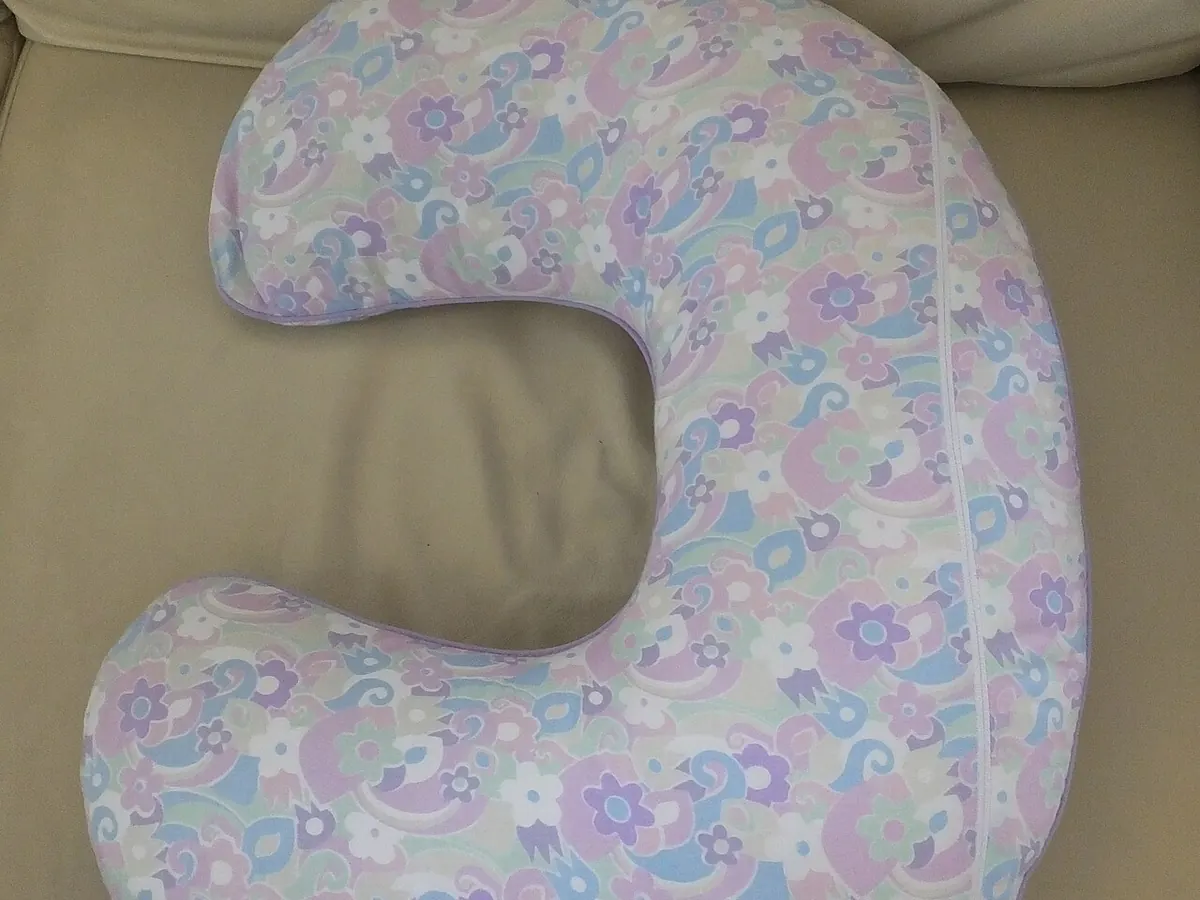
| Nursing pillow or cushions | The NHS advises getting comfortable before a feed, with pillows or cushions if needed | Firm, removable washable cover; US pillows must meet the CPSC rule; see our nursing pillow guide |
| Water and snacks | Feeds are frequent and can be long in the first weeks | Within reach of where you feed, day and night |
| Someone to watch a feed | Sore nipples usually come from attachment, and self-help tips do not work if the latch is shallow (NHS) | Midwife, health visitor, lactation consultant, peer supporter |
What you really need vs nice-to-have
| Really need | Nice-to-have |
|---|---|
| A supportive, non-tight bra | A collection of nursing tops |
| Breast pads | Washable pads for later weeks |
| Pillows or cushions you already own | A purpose-made nursing pillow for the football hold |
| Water and snacks within reach | A feeding station basket for night feeds |
| One person to call for latch help | A paid lactation consultant visit if feeds stay painful |
| Hand expression, learnt from your midwife | A pump, if you will express regularly |
What you can usually skip
- Nipple creams as a fix for pain. A Cochrane review of four trials found insufficient evidence that lanolin, gel dressings, breast shells with lanolin or an all-purpose ointment improved nipple pain, and noted that for most women pain eased to mild by about 7 to 10 days whatever was used (Dennis et al., Cochrane 2014). The NHS mentions a little expressed milk on cracked nipples after feeds as a self-help step. If you like a cream for dry skin, ask your pharmacist which is suitable.
- Nipple shields and breast shells, unless a specialist suggests them. The NHS advises avoiding them if you can, as they can affect attachment.
- A second-hand single-user pump. The FDA advises against it because of contamination risk; rent a multi-user pump with your own kit instead. More in our breast pump guide.
- Feeding-tracker gadgets. A note on your phone of feeds and nappies does the job; our baby feeding chart shows what to look for.
If you plan to express or combine
- Pump: choose by how often you will pump; double electric for regular use, manual or hand expression for occasional bottles.
- Storage: clean containers with tight lids or milk storage bags.
- Bottles: a few simple bottles you can clean easily; the NHS notes that no type of bottle or teat has been shown to be better than another.
- Formula, if you combine: see how to prepare formula safely.
Is this normal? When to get help
Is it normal?
Nipple tenderness in the first days, leaking, and very frequent feeds are common at the start (NHS).
For the partner
Partners make the best feeding-station managers: refill water, bring snacks, hand over the baby once she is settled, and learn the latch checks in our breastfeeding positions guide.
Questions parents ask
Do I need a breast pump before the baby arrives?
Not usually. The NHS points out that milk can be expressed by hand, without equipment. A pump is worth having ready if you know you will be separated from your baby, return to work early or plan to share feeds with expressed milk. Mamavela does not sell pumps; our pump guide explains the types.
Do nipple creams work?
A Cochrane review found insufficient evidence that lanolin, gel pads or ointments improve nipple pain, and found that for most women pain fell to mild levels by about 7 to 10 days after birth whatever was used. The NHS says the real fix for sore nipples is checking attachment; dabbing a little expressed milk on cracks is one self-help tip it mentions.
Are nipple shields a breastfeeding essential?
No. The NHS suggests avoiding nipple shields and breast shells if you can, because they can affect how your baby attaches. They are sometimes used with specialist support; ask your midwife or lactation consultant first.
How many breast pads do I need?
Enough to change them at every feed. The NHS advises changing pads often to prevent infection, and choosing pads without a plastic backing if your nipples are sore.
Sources
- NHS — Breastfeeding, the first few days (breast pads, leaking) checked October 13, 2026
- NHS — Sore or cracked nipples when breastfeeding checked October 13, 2026
- NHS — Breastfeeding, positioning and attachment (pillows or cushions) checked October 13, 2026
- CPSC — Nursing pillows FAQs (16 CFR part 1242) checked October 13, 2026
- FDA — What to know when buying or using a breast pump checked October 13, 2026
- NHS — Bottle feeding advice (no type of bottle or teat shown to be better) checked October 13, 2026
- Dennis CL et al. (2014), Cochrane Database of Systematic Reviews — Interventions for treating painful nipples among breastfeeding women (PMID 25506813) checked October 13, 2026
Mamavela explains; it does not replace your midwife, doctor or pediatrician, who know your situation. If something worries you, call them. In an emergency, call 911 (US), 999 (UK) or 112.